
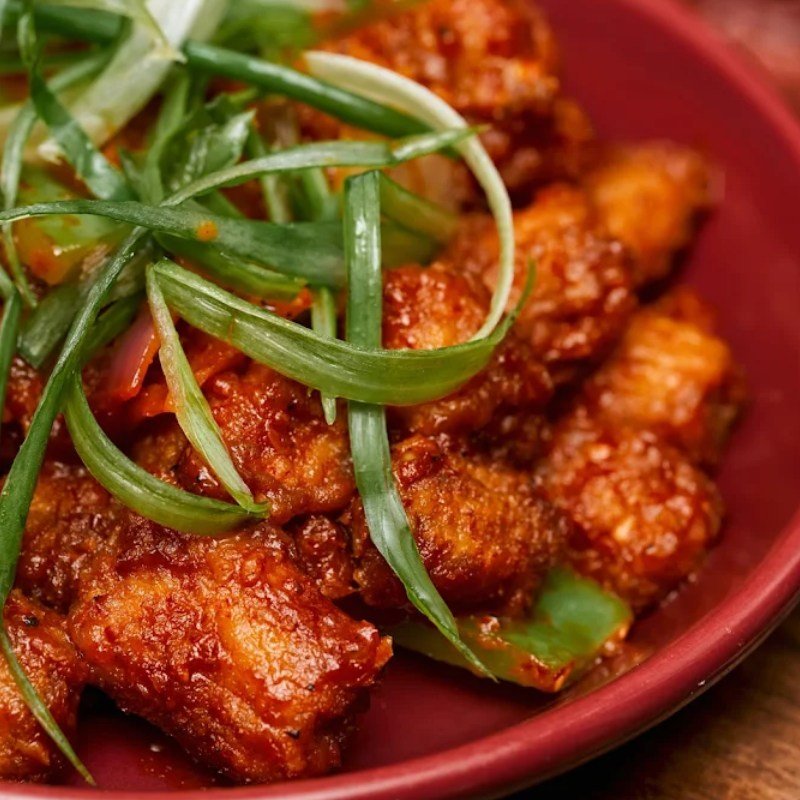
Indian cooking uses chile, pepper, and whole spices for flavor, not just for heat. Britannica describes Indian cuisine as a set of regional traditions rather than one spicy national dish (Indian cuisine). That is the useful frame at the table. "Indian food" is not a single heat setting.
At Namaste Nola, say what you want before the kitchen starts. Mild means you still want the dish, without the burn. Medium is the house path for many curries. Hot is a request, not the default you have to survive to be polite.
What to say
"Mild butter chicken and medium biryani" is a clear order. "Not too spicy" is not, because it means something different to every guest. If a child or a guest with a sensitive stomach is at the table, name the mild dish out loud so it is not the one that gets the extra chile.
Chile heat and spice aroma are different. A dish can smell like cardamom and still be gentle. A dish can look red and still be manageable. Ask the server which plate runs hot that day. The menu names the dishes. The server knows how they were finished.
If you already ordered too hot
Eat some rice or bread, and drink water. A cool raita helps. Do not try to fix it with a sugary cocktail first. The drinks can come after the plate is comfortable.
Reserve as usual. Spice is not a reason to skip dinner. It is a reason to order in words the kitchen can follow. Lunch ends at 2:45 PM. Dinner ends at 10:00 PM.